60 Sunset Road: What Happened, Why Residents Challenged It, and Where the Case Stands
A community effort in Pequannock Township focused on consistent zoning enforcement, public participation, transparency, and judicial review of the approval involving 60 Sunset Road in Pompton Plains.
Watch: Residents raise serious concerns about traffic congestion, student safety, and emergency vehicle access surrounding the proposed private school at 60 Sunset Road in Pequannock Township. Open on YouTube
Pequannock Election — November 3, 2026
Know the candidates’ records on 60 Sunset Road before you vote.
60 Sunset Road is a property in Pompton Plains located in a residential zoning district.
In 2024, a proposal for a private grades 3–12 school sought approval for the site, including multiple zoning variances and other land-use approvals.
After extensive public hearings and significant resident participation, the Pequannock Zoning Board of Adjustment denied the application in July 2024.
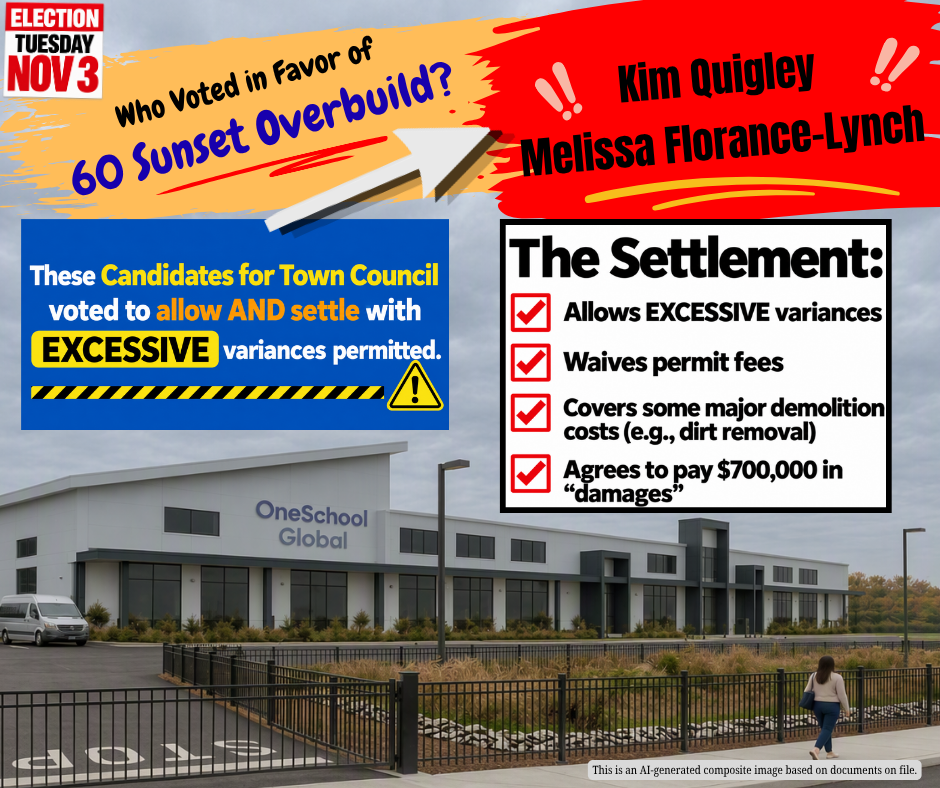
The applicant later filed federal litigation against the Township and Zoning Board. In early 2026, a settlement was presented that would allow the project to proceed with zoning relief despite the earlier denial. The Zoning Board approved the settlement and associated land-use relief.
Residents then filed a legal challenge seeking court review of that approval. That case remains ongoing.
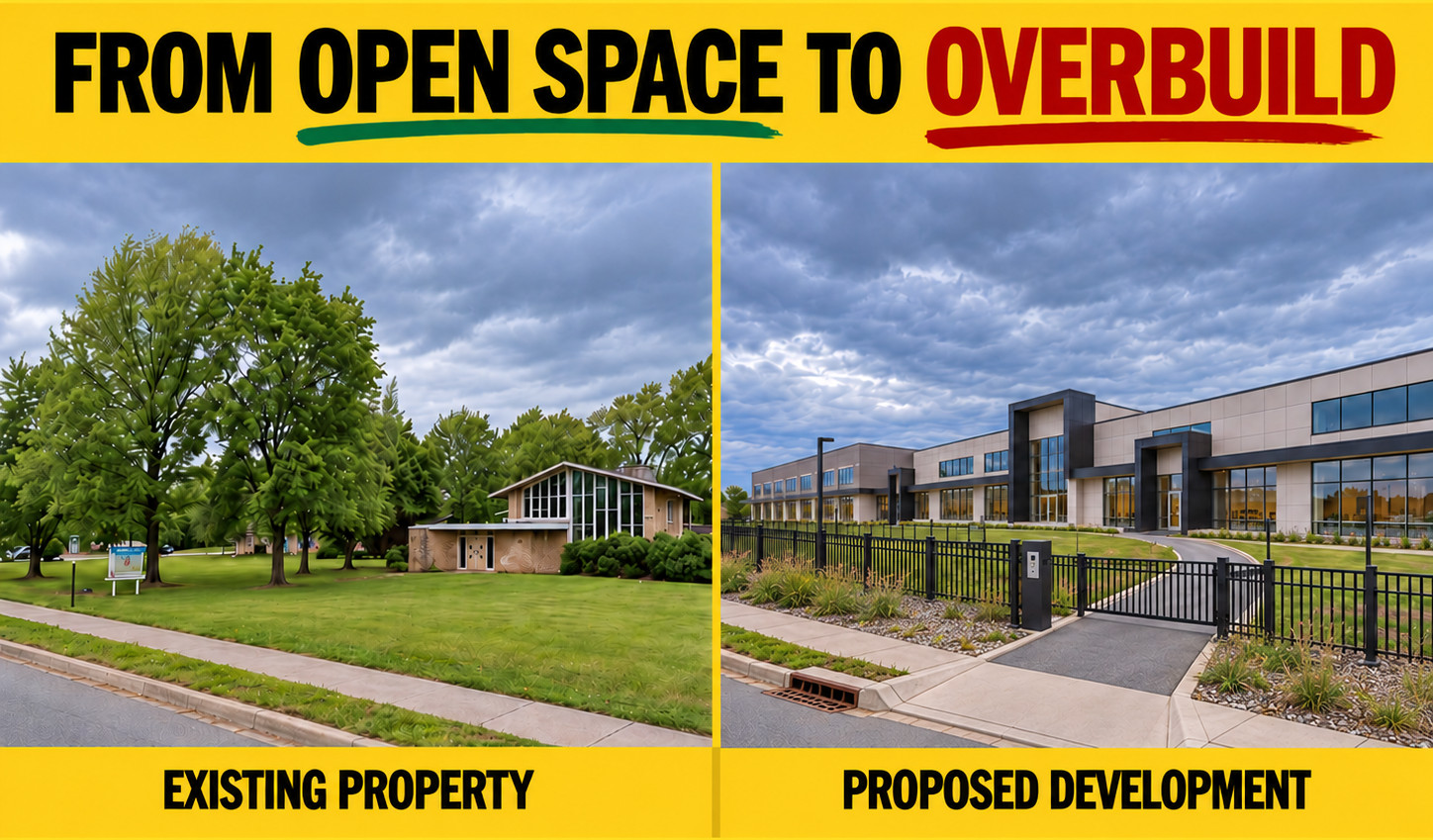
From open space to overbuild: the existing property at 60 Sunset Road compared with an illustration of the proposed development.
Why Many Residents Oppose the Project
Residents’ concerns did not begin with the lawsuit or the later settlement. For years, many residents questioned whether this particular property is suitable for a development of this scale and intensity.
The concern is not about opposition to a school, education, or religion. It is about whether a large institutional development fits this specific residentially zoned property and whether the same zoning rules are being applied consistently.
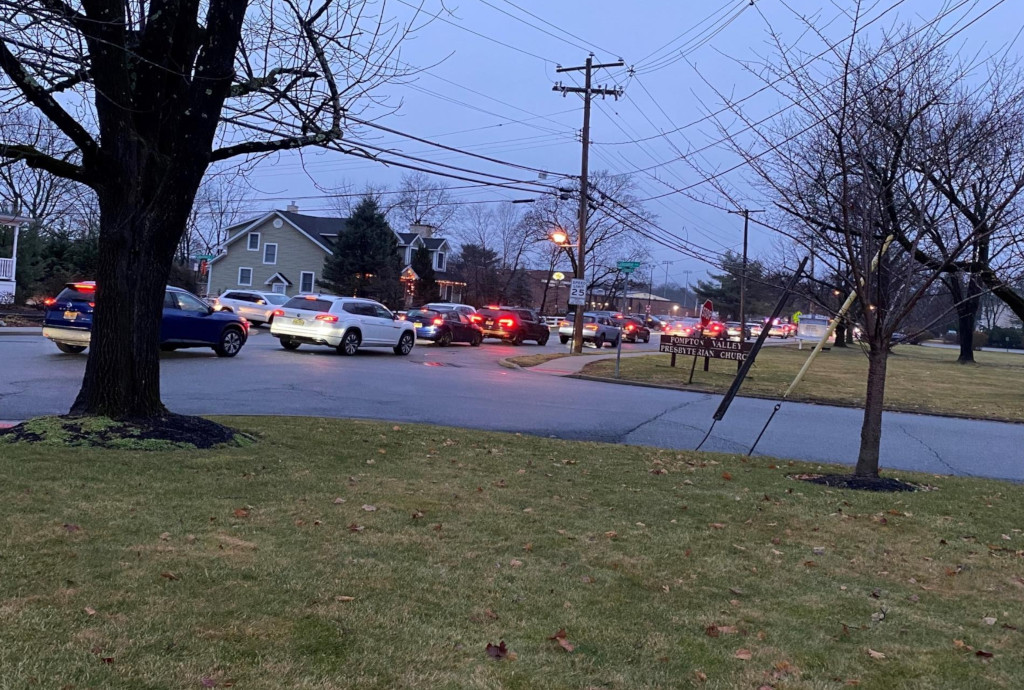
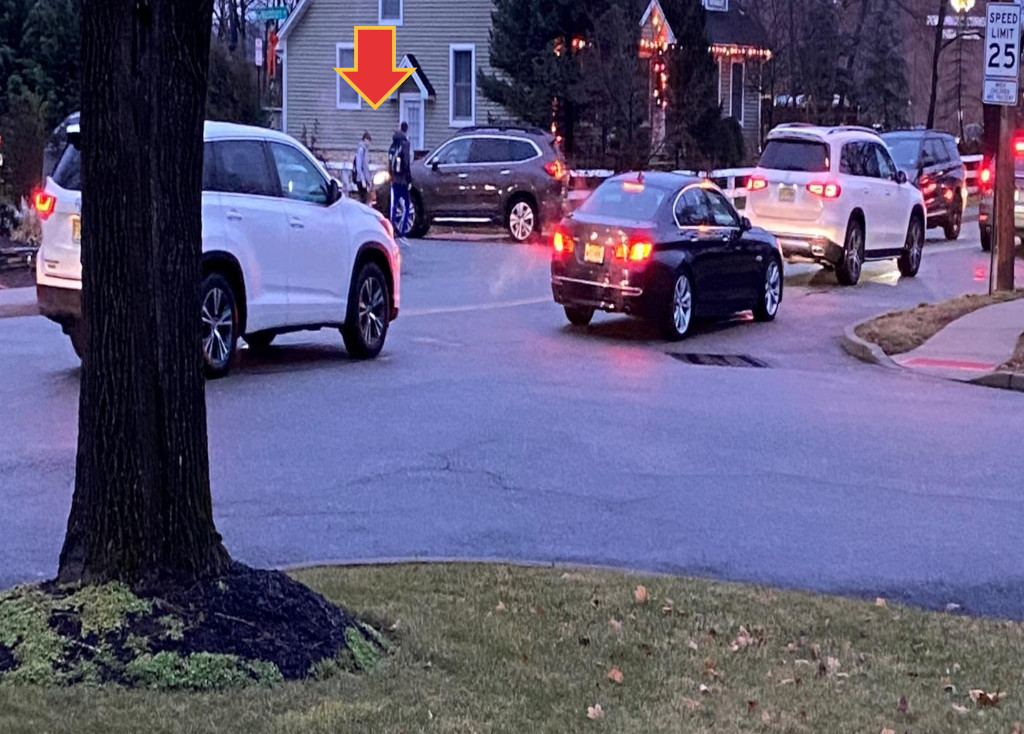
Vehicles queued along Sunset Road at dusk, near the Pompton Valley Presbyterian Church sign.
Photographs on this page were taken by residents to document existing conditions in the neighborhood surrounding the property. They show conditions as they are today, before any of the proposed development. Open resident concerns and photos as a full page.
Read more about specific resident concerns, with resident photos
A Large Institutional Project on a Smaller-Than-Required Site
The property is approximately 3.98 acres. The proposed development includes a private school building of roughly 28,000 square feet, along with parking, internal vehicle circulation, student drop-off and pick-up areas, recreation space, signage, fencing, and other site improvements.
A central concern has been that the parcel does not meet the minimum lot-area requirement applicable to the proposed conditional school use. Residents believe that this matters because minimum lot size is one of the zoning tools used to control the scale and intensity of institutional uses within residential areas.
Multiple Zoning Departures at the Same Time
The project has required relief from multiple zoning and site standards, including issues involving:
minimum lot area
impervious coverage
required parking
parking within front-yard areas
loading within front-yard areas
signage
fencing and setbacks
other site-design requirements
Residents are concerned about the cumulative effect. A single minor deviation may be one thing. Multiple departures affecting the size of the site, parking capacity, paved coverage, circulation, loading, signage, and other core standards raise a broader question: whether the project fits the site, or whether the site must be substantially reshaped through exceptions to accommodate the project.
Parking and Vehicle-Circulation Concerns
Township requirements called for more parking spaces than the project proposed. Project materials identified 56 required spaces while proposing 44 spaces, including tandem parking arrangements.
Residents have questioned what happens when actual parking demand exceeds the assumptions used in the project’s operational plan, particularly during staff changes, visitors, events, meetings, deliveries, or other periods of higher activity.
The project also involves student transportation, drop-off and pick-up activity, and vehicle movements near existing residential streets and intersections. These concerns are especially significant because schools generate concentrated traffic during relatively short arrival and dismissal periods.
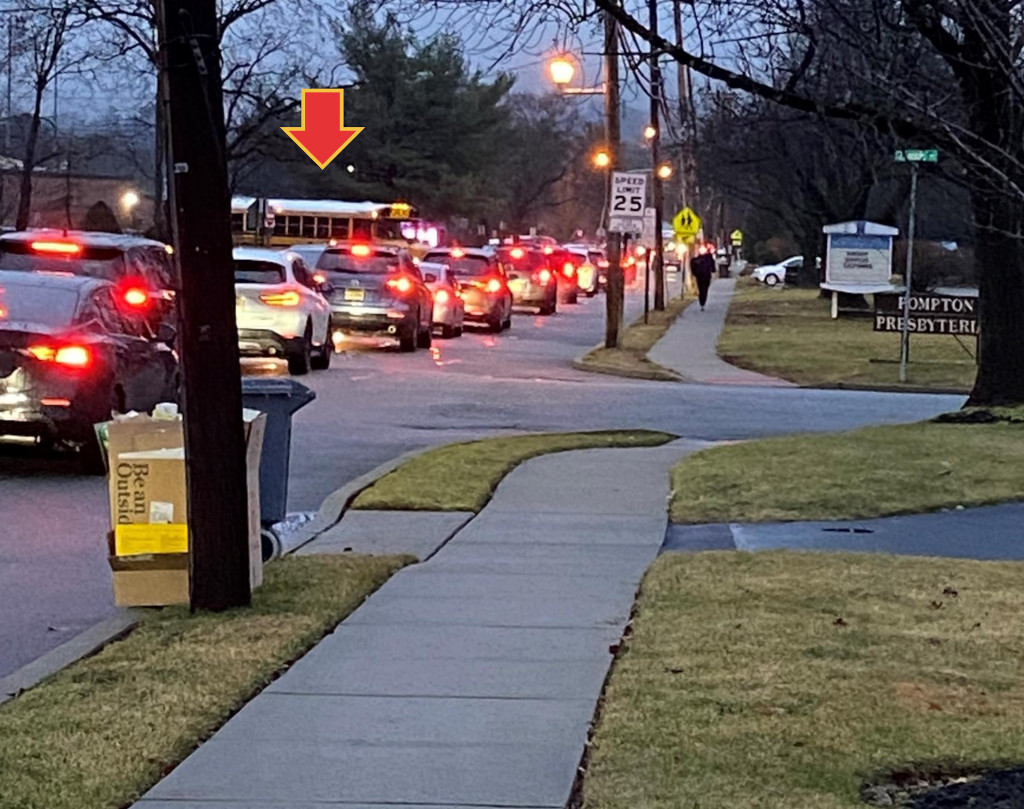
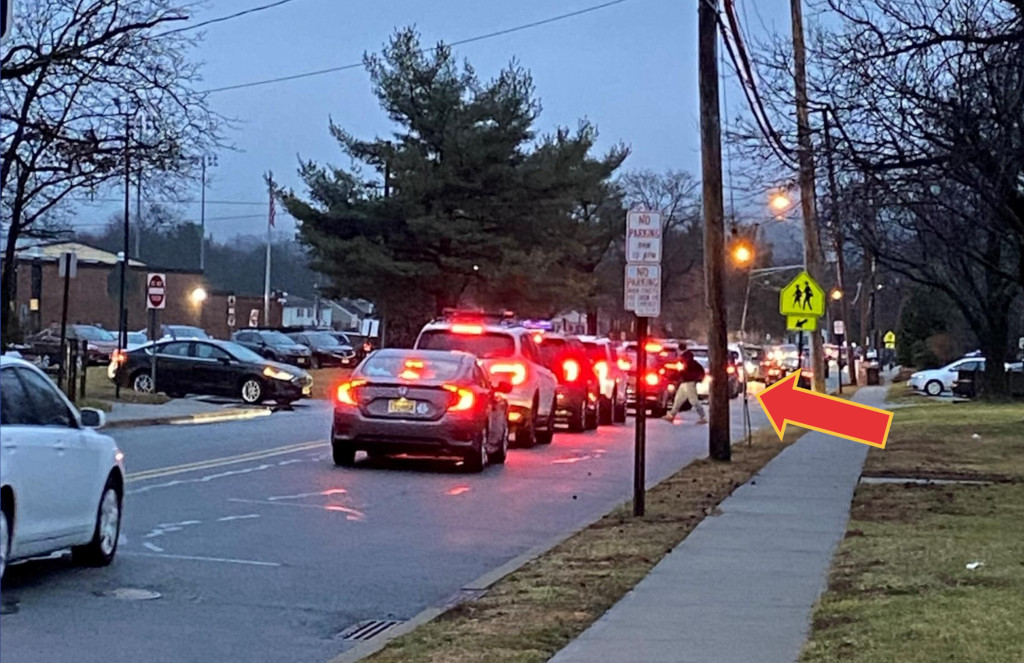
A school bus at the head of a line of stopped traffic during a peak period on Sunset Rd.
Concerns About Traffic and Nearby Intersections
The location is close to existing neighborhood streets and intersections. During the application review, engineering materials identified concerns regarding the proximity of proposed entrance and exit drives to nearby intersections.
Residents have therefore raised questions about turning movements, queues, visibility, pedestrian safety, van traffic, and the effect of concentrated school arrival and dismissal activity on the surrounding neighborhood.
Pedestrians moving past stopped vehicles while traffic is queued through the intersection.Kids crossing street between queued vehicles.
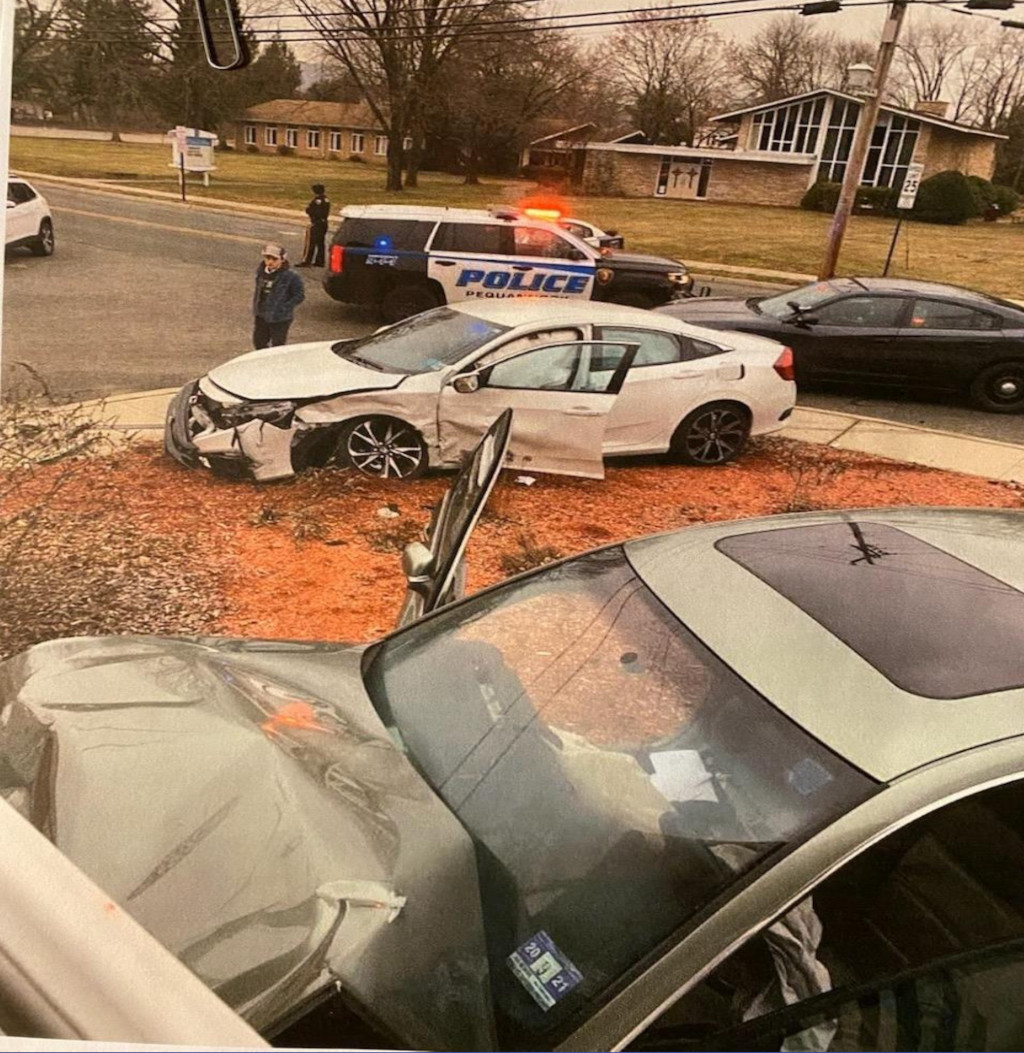
Pequannock police responded to a collision at the intersection of Sunset Rd, Roome Ave, and Washburn Rd., as photographed by a resident.
More Pavement and Impervious Coverage
The proposed development would substantially increase impervious coverage on the property compared with existing conditions.
Residents are concerned about the amount of land devoted to buildings, pavement, parking, circulation, and other hard surfaces on a parcel already smaller than the lot area required for the proposed use. Stormwater systems may be designed to address regulatory requirements, but residents still believe the scale of the increase is a legitimate land-use concern when evaluating whether the overall development is appropriate for this particular site.
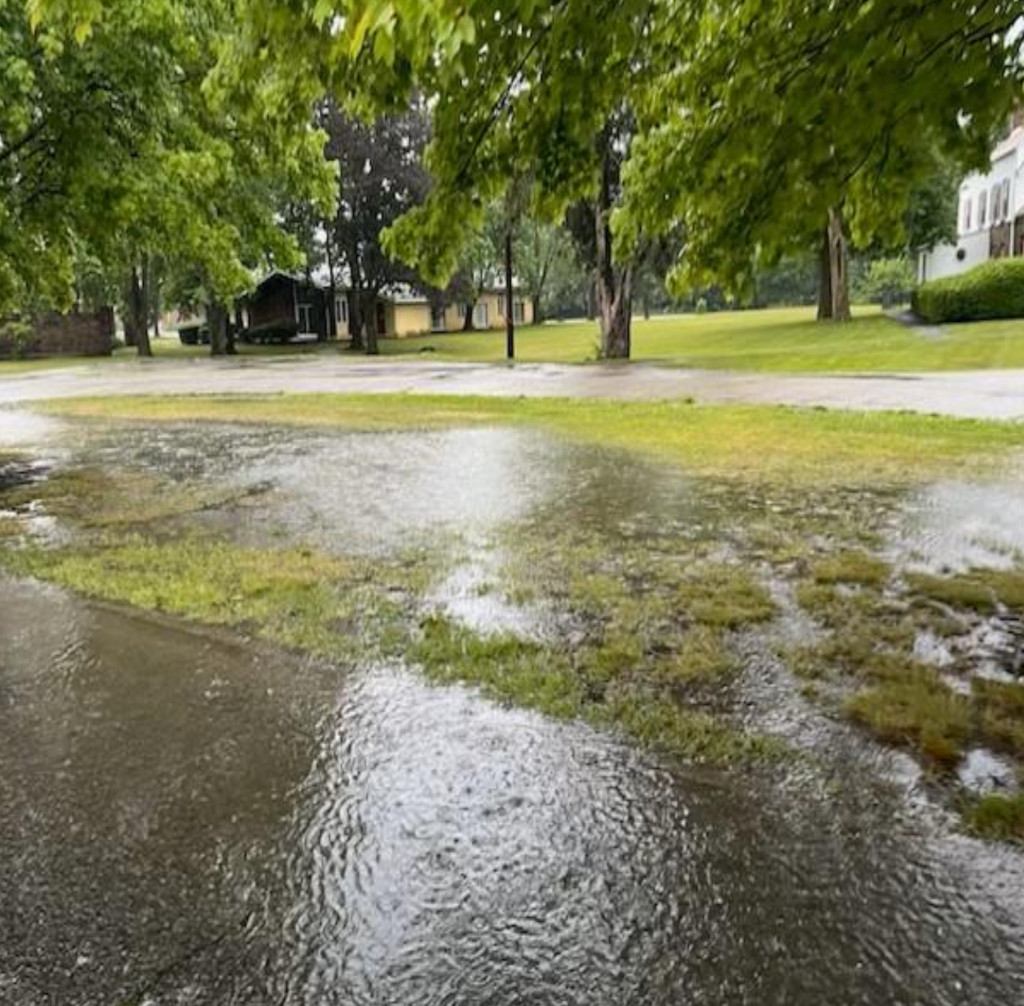
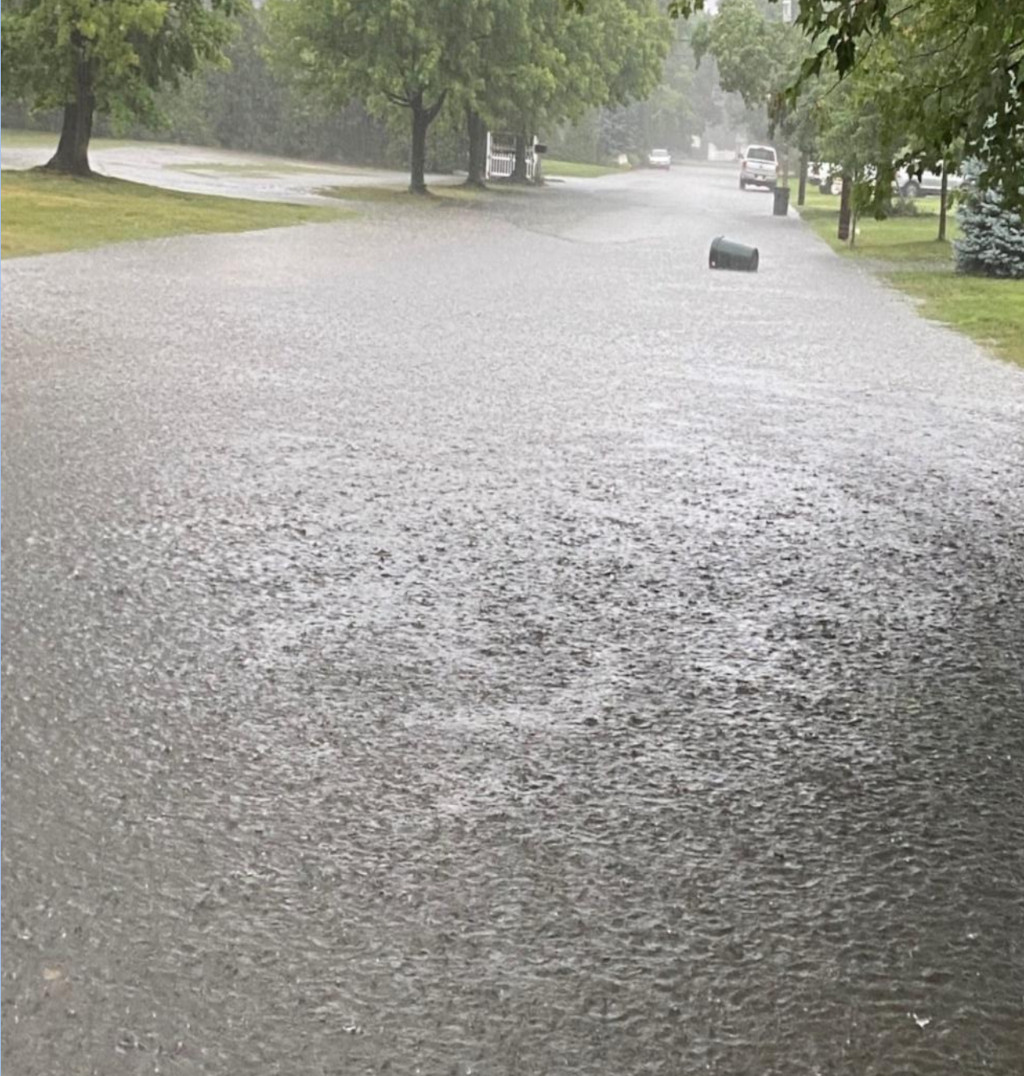
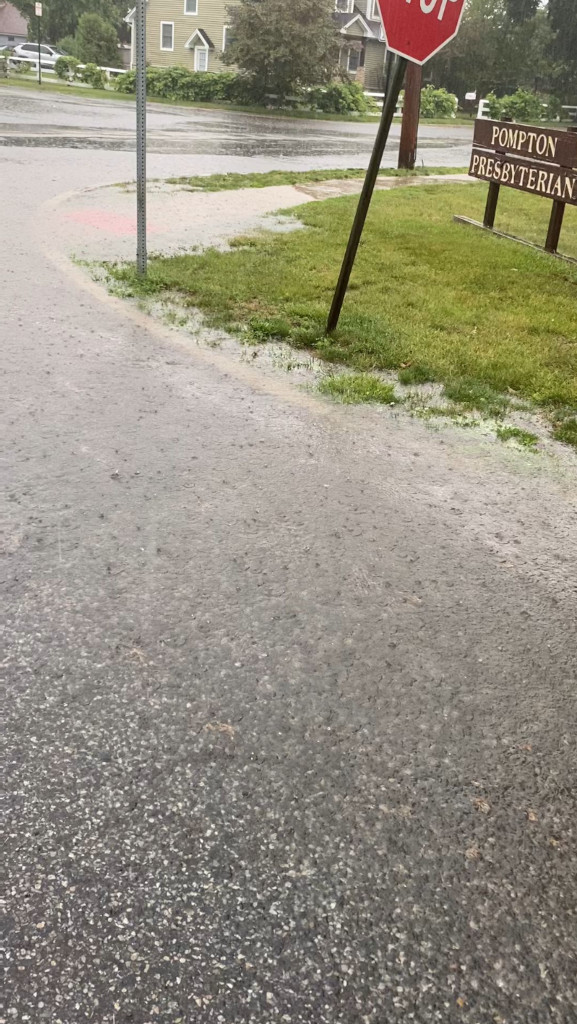
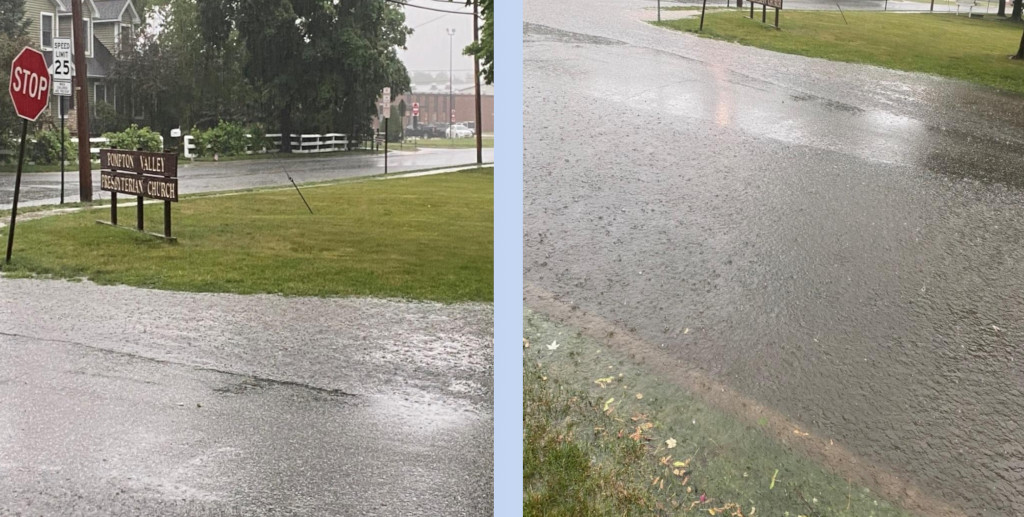
That concern is grounded in what residents already experience during heavy rain. The photographs below show current conditions in the immediate area, before any additional paved surface is added.
Standing water is spreading across the lawn after heavy rain on 60 Sunset Rd.A neighborhood street under water during a heavy rain event, curb to curb (Roome Ave).
Runoff sheeting across the roadway and over the curb line at the stop sign during heavy rain (intersection of Sunset Rd and Roome Ave).Two views during the same storm: water collecting at the corner near the church sign, and runoff spreading across the roadway.
Residents are also concerned about the broader change in the character and intensity of activity on the property.
A grades 3–12 private school can involve daily student arrivals and departures, staff vehicles, transportation vans, deliveries, visitors, outdoor activity, maintenance, lighting, signage, and other recurring institutional operations.
The concern is not that these activities are improper in themselves. The question is whether this level of institutional activity is appropriate on this specific parcel, in this location, with this combination of zoning deviations.
Concern About Setting a Precedent
Many residents believe the case has significance beyond one property.
Their concern is that if extensive zoning relief can be granted through a litigation settlement after an application was previously denied, it may weaken confidence in the zoning process and create pressure for similar treatment in future cases.
Residents believe zoning rules should be applied consistently and that major departures from those rules should require the same transparent, fact-based review regardless of who owns the property or whether litigation has been filed.
A Question of Site Fit and Fair Process
At its core, resident opposition has focused on two connected questions:
Does a project requiring this amount of zoning relief truly fit this particular site?
And:
Was the final approval reached through the public, fact-based land-use process required by law?
Those questions are now part of the ongoing court challenge.
Why Residents Went to Court
The residents challenging the approval argue that major land-use decisions must comply with New Jersey law even when they arise from litigation settlement negotiations.
The legal challenge concerns whether the approval process complied with applicable New Jersey land-use law and procedural requirements. Core concerns raised in the litigation include:
whether legally required zoning standards were properly applied
whether the approval was supported by adequate factual findings
whether public notice adequately disclosed the scope of the action under consideration
whether residents had a meaningful opportunity to understand and respond to the proposed approval
whether extensive zoning relief could lawfully be granted through the settlement process
whether the required New Jersey Municipal Land Use Law analysis was performed
These are allegations and legal arguments raised in ongoing litigation. No final court determination has yet been made on the merits.
Legal Status and Common Questions
What Did Pequannock Agree To?
A plain-language summary of the settlement: the $700,000 payment, zoning exceptions, waived fees, enrollment growth to 150 students, limits on the January 2026 hearing, and the Township’s commitment to defend the approval.
Local zoning ordinances should be applied through the standards and procedures required by law.
Meaningful Public Participation
Residents should receive enough information to understand major land-use decisions and participate effectively.
Transparency
Significant approvals should be understandable to the public and supported by a clear record.
Integrity of Residential Zoning
Major departures from established zoning standards deserve careful review.
Judicial Review
Residents have the right to ask courts to review municipal land-use actions through lawful legal procedures.
Respectful Civic Participation
Informed residents can organize, attend hearings, review public records, speak publicly, and use the courts without turning a zoning dispute into a political, religious, or personal conflict.
What This Community Has Already Done
Hundreds of residents participated in the public process
Neighbors attended lengthy zoning hearings
Residents submitted public comments
Volunteers helped educate the community
More than 100 supporters contributed financially
Tens of thousands of dollars were raised for legal expenses
Residents organized a sustained grassroots effort over multiple years
Whatever the final outcome, the 60 Sunset effort has shown what informed and persistent local civic participation can look like.
Thank You, Pequannock
Fundraising for the current phase of the legal challenge has been completed.
Thanks to extraordinary community support, more than 100 supporters helped raise tens of thousands of dollars toward attorney fees, court filings, legal research, record review, and other litigation expenses.
We are deeply grateful to every person who donated, shared information, attended meetings, followed the proceedings, or helped neighbors understand the issue.
The legal case is still ongoing. This website will continue to provide updates as the matter moves through the courts.
Every donation mattered. So did every shared post, conversation with a neighbor, meeting attended, public comment, and hour volunteered.
Thank you for helping ensure that residents could obtain legal representation and ask the courts to review this important land-use decision.
Support Future Legal Expenses
Fundraising for the current phase of the legal challenge has been completed. The methods below remain available in case additional community support is needed for future litigation phases.
GoFundMe
Contribute securely online via our GoFundMe campaign.
Lorrayne Robertson
128 West End Ave
Pompton Plains, NJ 07444
Transparency
This website presents the views, concerns, and legal positions of residents and community organizers involved in the 60 Sunset effort. The matters described are part of ongoing litigation. Allegations and legal arguments remain subject to judicial review, and no final determination should be implied unless expressly stated.
This website is for public information and community communication and does not provide legal advice.
Fundraising History
Historical record — not an active solicitation.
As of July 10, 2026, $40,745 had been raised toward the current-phase goal. More than 100 supporters contributed during this phase.
Funds were used for land use counsel and litigation expenses, court filings and legal briefs, review of zoning records and hearing transcripts, responses to opposing parties, and court appearances.
Legal cases move step by step. No one can honestly promise exactly how long the full process will take or what the final total cost will be. Additional community support may be needed for future litigation phases.