Resident Concerns, with Resident Photos
Specific concerns about site fit, zoning relief, traffic, flooding, and neighborhood character, documented with photographs taken by residents.
Photographs on this page were taken by residents to document existing conditions in the neighborhood surrounding the property. They show conditions as they are today, before any of the proposed development.
A Large Institutional Project on a Smaller-Than-Required Site
The property is approximately 3.98 acres. The proposed development includes a private school building of roughly 28,000 square feet, along with parking, internal vehicle circulation, student drop-off and pick-up areas, recreation space, signage, fencing, and other site improvements.
A central concern has been that the parcel does not meet the minimum lot-area requirement applicable to the proposed conditional school use. Residents believe that this matters because minimum lot size is one of the zoning tools used to control the scale and intensity of institutional uses within residential areas.
Multiple Zoning Departures at the Same Time
The project has required relief from multiple zoning and site standards, including issues involving:
- minimum lot area
- impervious coverage
- required parking
- parking within front-yard areas
- loading within front-yard areas
- signage
- fencing and setbacks
- other site-design requirements
Residents are concerned about the cumulative effect. A single minor deviation may be one thing. Multiple departures affecting the size of the site, parking capacity, paved coverage, circulation, loading, signage, and other core standards raise a broader question: whether the project fits the site, or whether the site must be substantially reshaped through exceptions to accommodate the project.
Parking and Vehicle-Circulation Concerns
Township requirements called for more parking spaces than the project proposed. Project materials identified 56 required spaces while proposing 44 spaces, including tandem parking arrangements.
Residents have questioned what happens when actual parking demand exceeds the assumptions used in the project’s operational plan, particularly during staff changes, visitors, events, meetings, deliveries, or other periods of higher activity.
The project also involves student transportation, drop-off and pick-up activity, and vehicle movements near existing residential streets and intersections. These concerns are especially significant because schools generate concentrated traffic during relatively short arrival and dismissal periods.
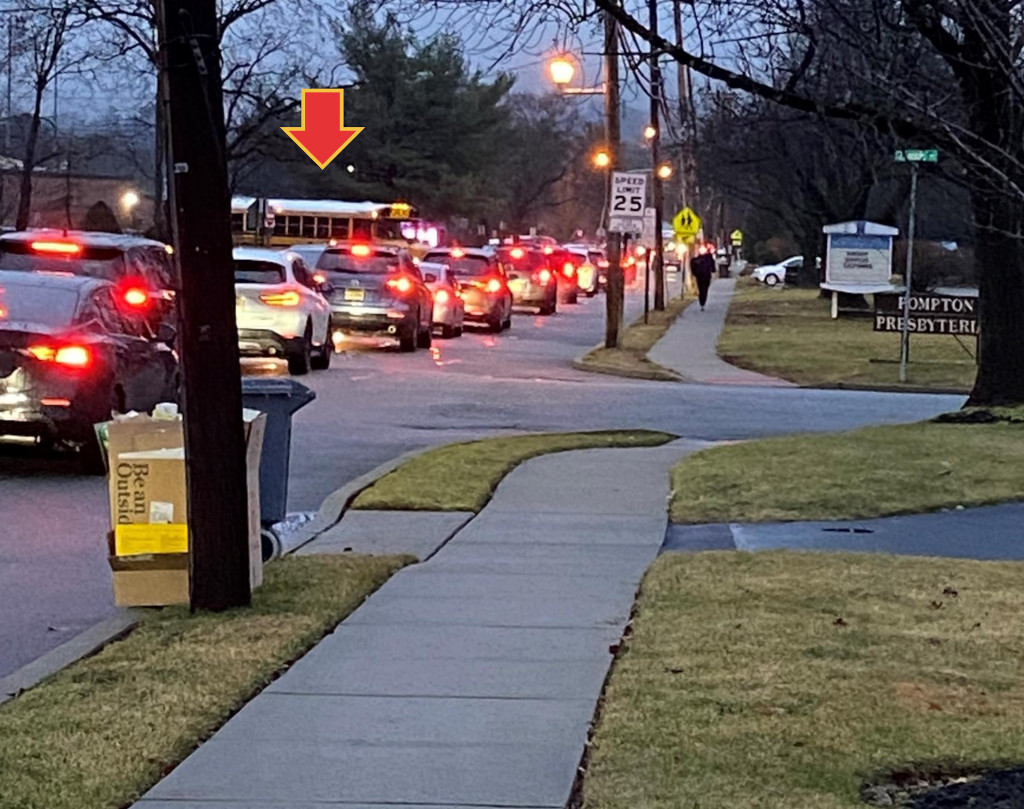
Concerns About Traffic and Nearby Intersections
The location is close to existing neighborhood streets and intersections. During the application review, engineering materials identified concerns regarding the proximity of proposed entrance and exit drives to nearby intersections.
Residents have therefore raised questions about turning movements, queues, visibility, pedestrian safety, van traffic, and the effect of concentrated school arrival and dismissal activity on the surrounding neighborhood.
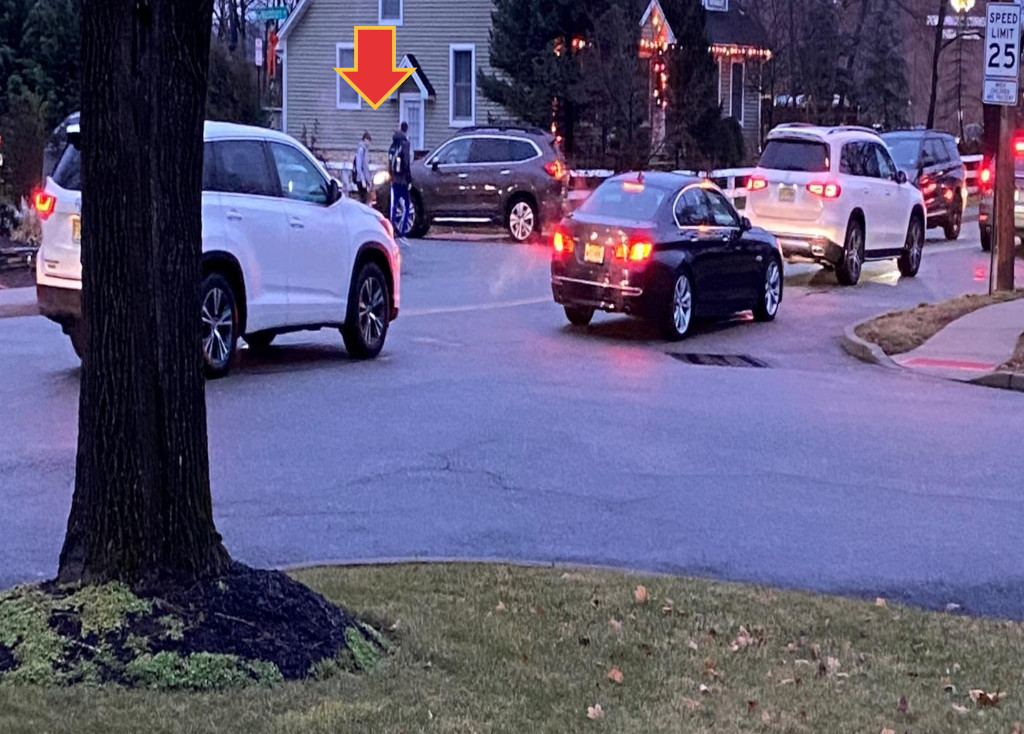
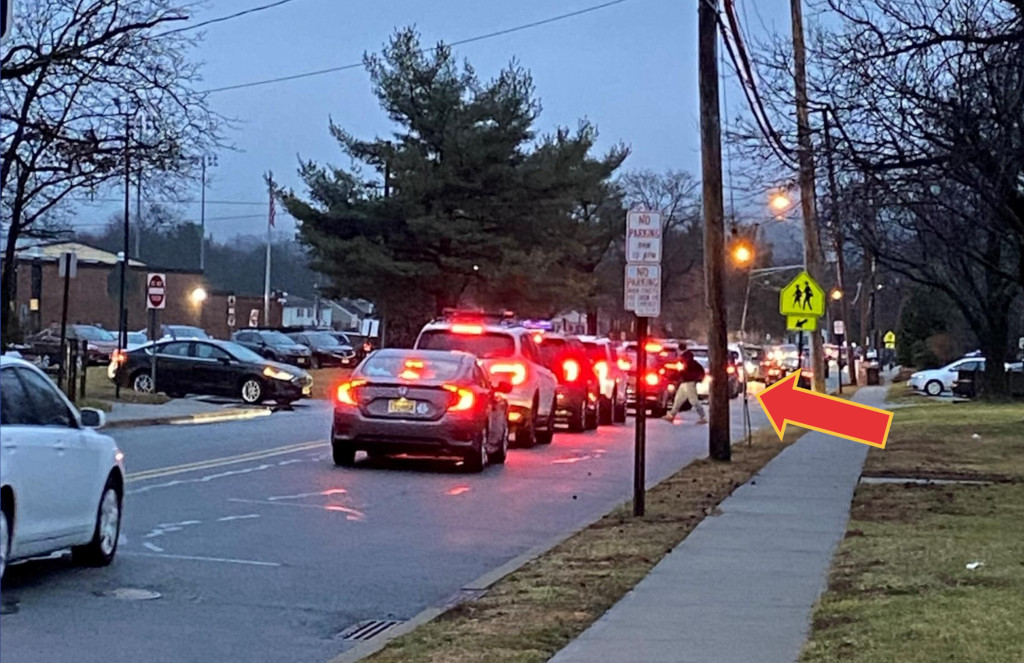
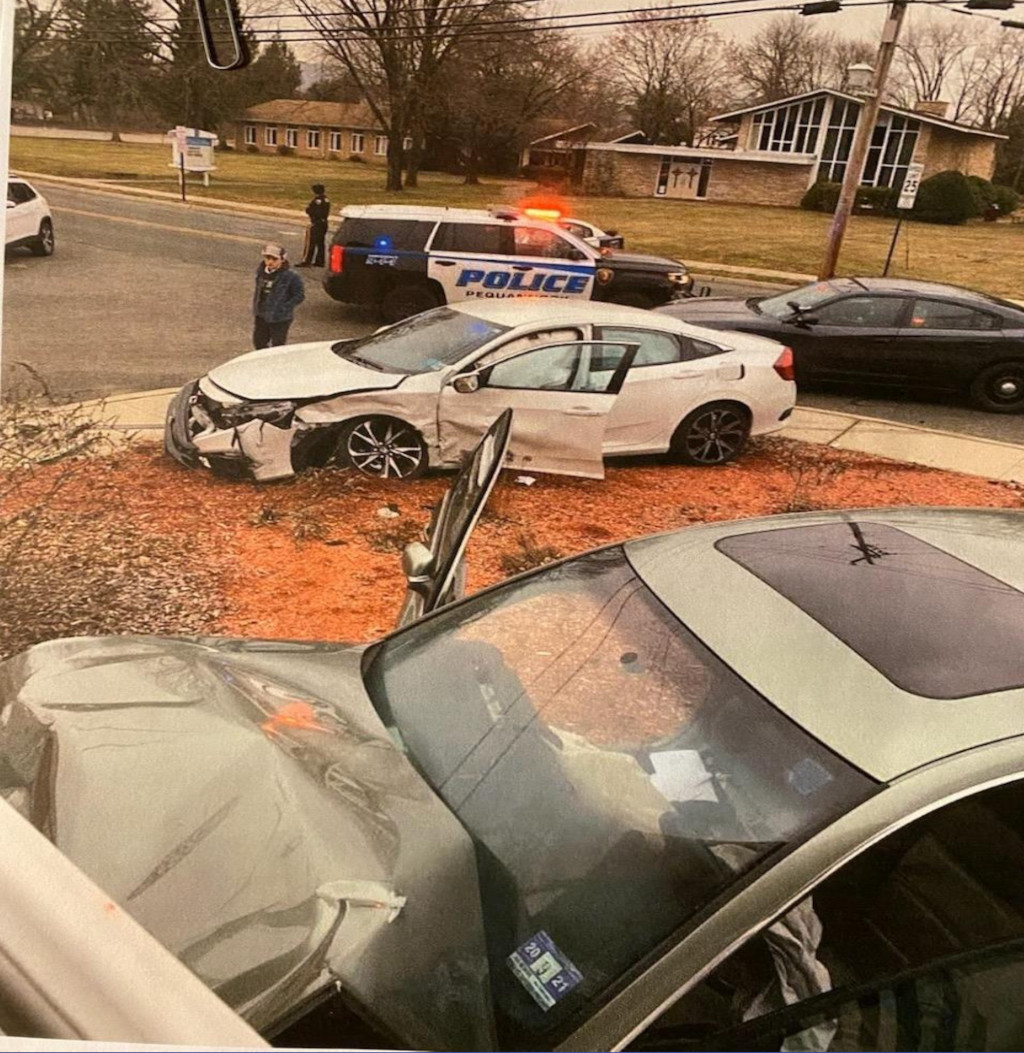
More Pavement and Impervious Coverage
The proposed development would substantially increase impervious coverage on the property compared with existing conditions.
Residents are concerned about the amount of land devoted to buildings, pavement, parking, circulation, and other hard surfaces on a parcel already smaller than the lot area required for the proposed use. Stormwater systems may be designed to address regulatory requirements, but residents still believe the scale of the increase is a legitimate land-use concern when evaluating whether the overall development is appropriate for this particular site.
That concern is grounded in what residents already experience during heavy rain. The photographs below show current conditions in the immediate area, before any additional paved surface is added.
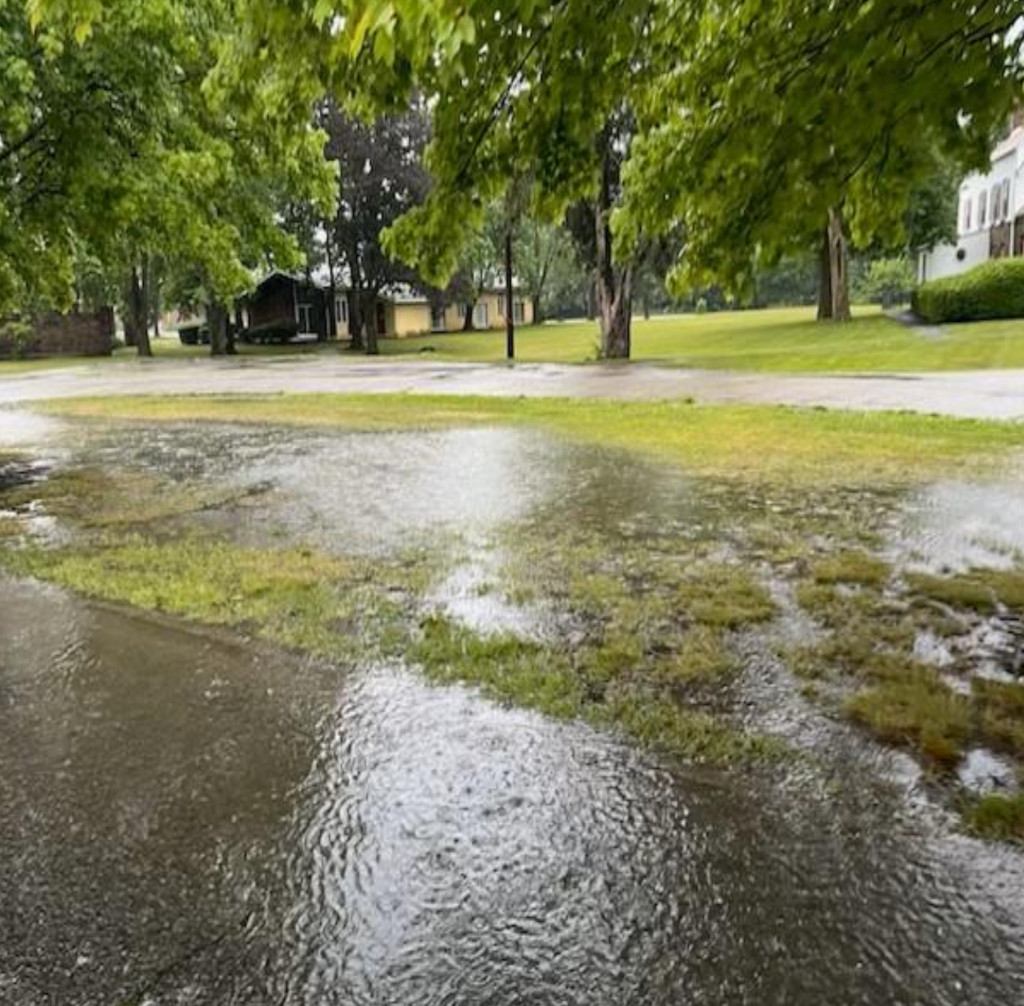
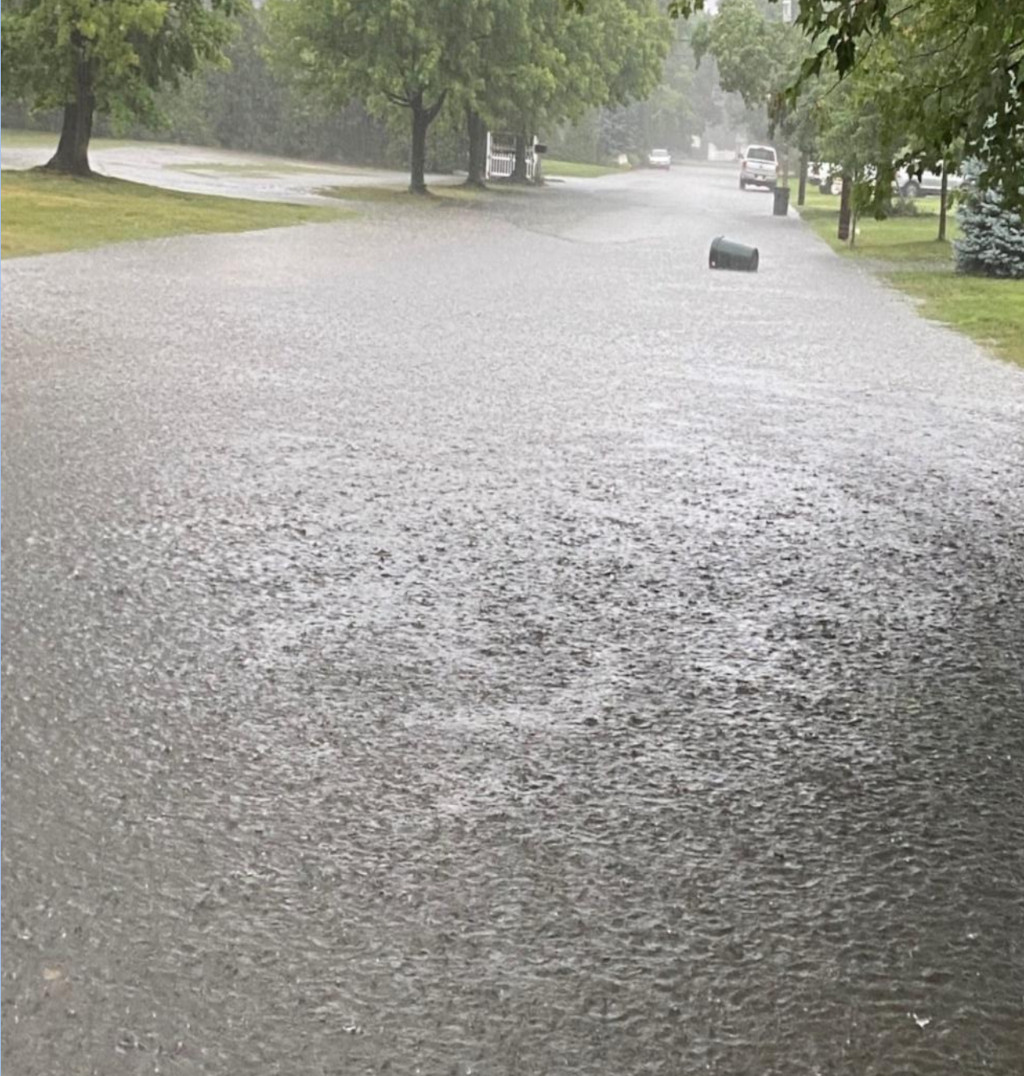
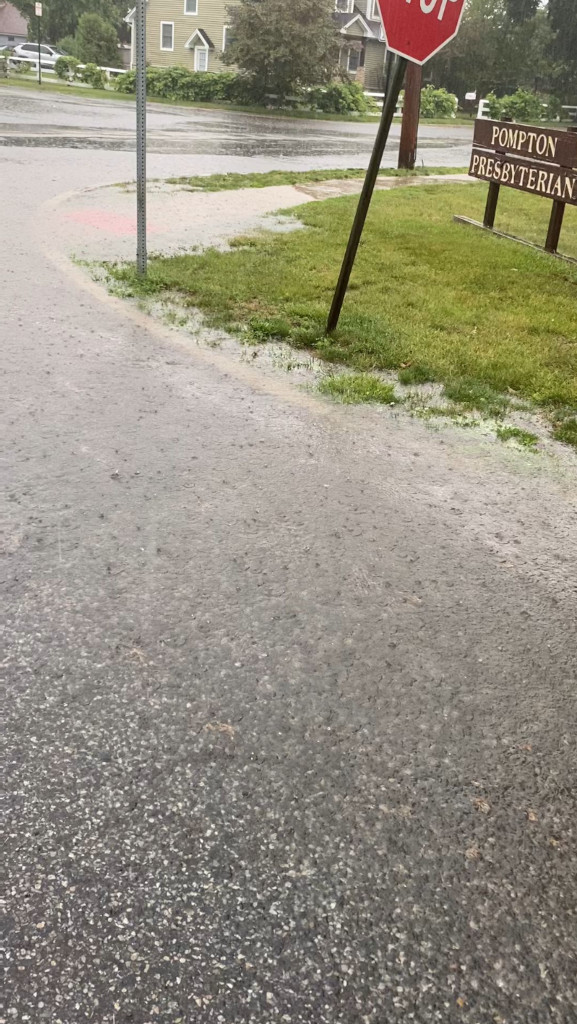
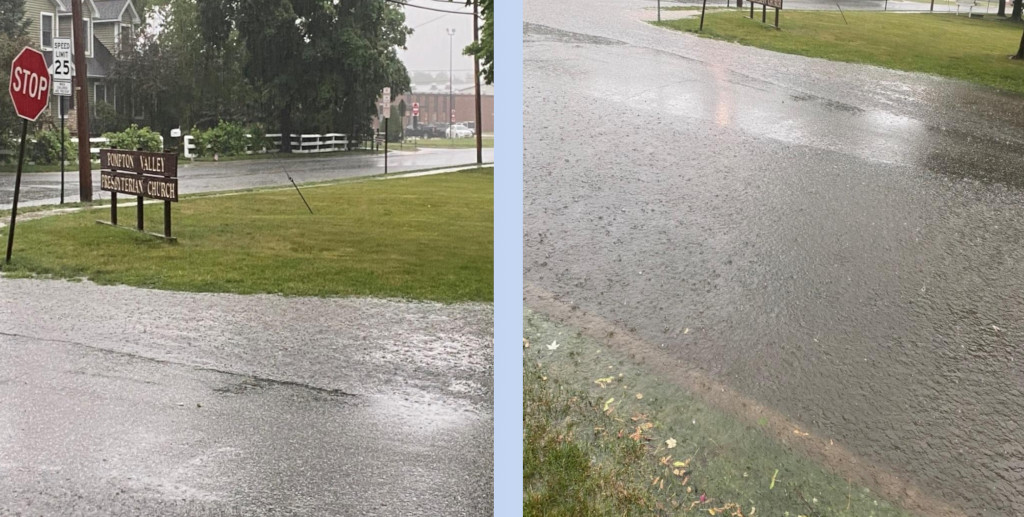
Residents have presented this issue in more detail in the Water and Flooding Issues at 60 Sunset presentation.
The Scale and Intensity of the Use
Residents are also concerned about the broader change in the character and intensity of activity on the property.
A grades 3–12 private school can involve daily student arrivals and departures, staff vehicles, transportation vans, deliveries, visitors, outdoor activity, maintenance, lighting, signage, and other recurring institutional operations.
The concern is not that these activities are improper in themselves. The question is whether this level of institutional activity is appropriate on this specific parcel, in this location, with this combination of zoning deviations.
Concern About Setting a Precedent
Many residents believe the case has significance beyond one property.
Their concern is that if extensive zoning relief can be granted through a litigation settlement after an application was previously denied, it may weaken confidence in the zoning process and create pressure for similar treatment in future cases.
Residents believe zoning rules should be applied consistently and that major departures from those rules should require the same transparent, fact-based review regardless of who owns the property or whether litigation has been filed.